How to Choose the Right Fish Finder for Your Boat
Whether you're chasing trophy pelagics offshore or just enjoying a casual day of casting on the lake, having the right fish finder on board can make all the difference. With today’s advanced sonar technologies and endless configurations, choosing a fish finder can feel overwhelming. This guide breaks it down to help you choose the perfect unit for your boat and your fishing style.
1. Understand Your Fishing Style and Waters
Before diving into tech specs, think about where and how you fish:
- Inshore or Freshwater: You’ll benefit from a compact unit with CHIRP sonar and built-in mapping.
- Offshore or Deep Water: Look for powerful transducers, dual-frequency CHIRP, and deep-water capabilities.
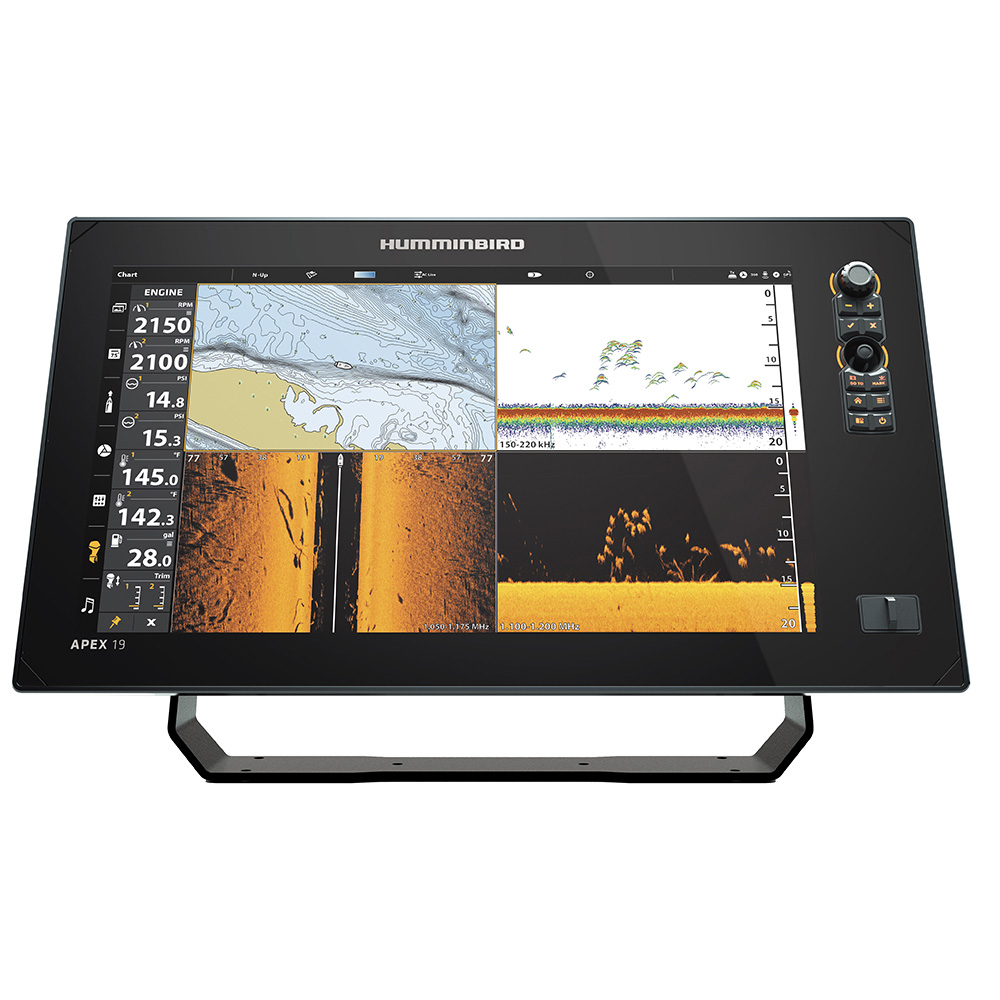
- Trolling or Structure Fishing: SideVu and DownVu (or SideScan/DownScan) sonar can reveal detailed images of structure and fish arcs.
2. Pick the Right Screen Size and Resolution
Larger screens (7–16 inches) are easier to read, especially when splitting views between sonar, GPS, and radar. A 4 or 5-inch display may work for kayaks or small center consoles, but 9- to 12-inch screens are ideal for serious anglers.
Resolution matters, too—clearer imaging lets you distinguish between fish and structure with ease.
3. Choose the Right Sonar Technology
Here’s a quick breakdown of the main types:
- CHIRP Sonar: Uses a sweep of frequencies for better target separation and clarity.
- Down Imaging (DownVu/DownScan): Produces near-photographic images directly below your boat.
- Side Imaging (SideVu/SideScan): Scans to the sides of your vessel, excellent for locating structure or baitfish near shorelines.
- Live Sonar (e.g., Garmin LiveScope, Lowrance ActiveTarget): Offers real-time sonar, letting you watch fish swim and react to your lure.
4. Transducer Compatibility is Key
The transducer is the heart of your fish finder. Make sure the one you choose is suited for your boat and the depths you plan to fish. Common mounting options include:
- Transom-mount: Great for smaller boats and DIY installs.
- Thru-hull or In-hull: Ideal for larger vessels needing high-performance readings at speed.
5. Navigation and Mapping Features
Built-in GPS and mapping allow you to mark waypoints, follow routes, and understand underwater topography. Units from Garmin, Humminbird, Simrad, and Lowrance often come preloaded with maps or offer upgrade options (Navionics, C-MAP, LakeMaster).
6. Networking and Expandability
If you're building a full electronics suite, consider a unit that networks with radar, autopilot, engine data, and multiple screens. Look for models with NMEA 2000, Ethernet, or Wi-Fi/Bluetooth capability.
7. Budget and Brand
Prices range from a few hundred to several thousand dollars. Leading brands like Garmin, Humminbird, Simrad, and Lowrance each have strong offerings:
- Garmin: User-friendly, strong GPS/mapping, excellent live sonar.
- Humminbird: Known for imaging clarity and LakeMaster maps.
- Lowrance: Popular among bass anglers with great touchscreen options.
- Simrad: Preferred for offshore and larger boats, excellent networking.
Final Thoughts
A fish finder is more than just a screen—it's a window into the water below. Choosing the right one means understanding your fishing needs, your boat, and the environments you explore. If you’re unsure, a marine electronics specialist can help match your goals with the right equipment and even assist with installation.
Need expert advice or a custom setup? BOE Marine offers free lifetime tech support, unbiased recommendations, and same-day estimates. Whether you're upgrading or outfitting a new boat, we're here to help you catch more fish, faster.
Shop Choose Products
BOE Marine installs at 4 locations: Annapolis MD, Fort Lauderdale FL, Stuart FL, and Lake Norman NC. Lifetime tech support included.